Moving On Is a Magical Act
Moving on is often described as something that happens after you stop caring. In reality, moving on usually begins while you still have feelings, questions, memories, and moments of uncertainty.
It is not about pretending that a relationship did not matter. It is the gradual process of returning your attention, hope, time, and emotional energy to your own life. In that sense, moving on can be a magical act: you stop waiting for another person to create your future and begin participating in its creation yourself.
Quick Answer: What Does It Mean to Move On?
- At first: you may still think about the person frequently, but you begin interrupting habits that keep you emotionally stuck.
- Over the next few weeks: the emotional intensity may become less constant, even if it still returns in waves.
- Over time: you begin making plans, feeling curious, and imagining a future that is not dependent on one particular outcome.
- Eventually: the relationship becomes part of your history rather than the center of your present life.
There is no universal timeline for moving on. Healing is not linear, and a difficult day does not erase the progress you have made. The goal is not to force yourself to feel nothing. The goal is to create enough space for something new to exist alongside what you have experienced.
When Moving On May Be the Right Choice
Moving on does not always require a dramatic ending. Sometimes it begins with the quiet recognition that continuing to wait, chase, analyze, or hope is costing you more than the connection is giving you.
It may be time to begin moving forward when:
- You are doing most of the emotional work
- You are waiting for potential instead of responding to present reality
- The connection repeatedly leaves you anxious, confused, or depleted
- You are sacrificing your boundaries to keep someone close
- You are putting your life on hold while waiting for an answer
- The relationship has ended, but your daily choices are still organized around it
- You are more attached to who the person could become than to how they currently treat you
Choosing to move on does not mean the relationship was meaningless. It means you are no longer willing to make uncertainty the foundation of your life.
Why Moving On Can Take So Long
You are rarely letting go of only one person. You may also be letting go of the future you imagined, the conversations you hoped to have, the version of yourself you were in the relationship, and the belief that everything would eventually make sense.
This is why moving on can take longer than expected. You may understand intellectually that something is over while still feeling emotionally connected to what it represented.
Ambiguous endings can be especially difficult. When there was no clear explanation, apology, or final conversation, the mind may continue searching for an answer that creates closure. But closure does not always arrive through another person. Sometimes closure is the decision to stop allowing an unanswered question to control your next chapter.
Signs You Are Beginning to Move On
Moving on does not always arrive as one dramatic breakthrough. It often appears through small changes that are easy to overlook.
- You check their social media less frequently
- You no longer interpret every coincidence as a sign about the relationship
- You can remember what happened without immediately needing to contact them
- You begin noticing other people, possibilities, and interests
- You stop rehearsing imaginary conversations
- You feel less pressure to prove that you were lovable or worthy
- You become more interested in your future than in rewriting the past
- You can miss someone without believing you must return to them
One of the clearest signs of healing is not that you never think about the person. It is that thinking about them no longer determines what you do next.
What Can Keep You Emotionally Stuck?
There is nothing shameful about struggling to let go. However, certain habits can repeatedly reopen the connection and make it harder for your emotional energy to settle.
- Checking their pages for hidden messages or signs
- Replaying the best moments while minimizing the painful ones
- Using tarot, astrology, or spiritual signs to avoid accepting observable reality
- Keeping yourself constantly available in case they return
- Asking the same question repeatedly and hoping for a different answer
- Comparing every new person to an idealized memory
- Believing that letting go means the relationship did not matter
- Waiting for an apology before allowing yourself to heal
Spiritual tools can offer comfort and perspective, but they are most helpful when they support your judgment rather than replace it. A sign, card, dream, or synchronicity should not require you to abandon your boundaries or ignore what someone is showing you through their actions.
What to Do While You Are Healing
Moving on becomes more manageable when it is treated as an active process rather than something you must wait to feel ready for.
- Create distance from the habits that keep reopening the wound
- Remove reminders that make it difficult to regulate your emotions
- Write down what actually happened, not only what you hoped would happen
- Reconnect with friends, interests, routines, and places that belong to you
- Make plans that do not depend on whether another person contacts you
- Allow yourself to grieve without turning grief into a permanent identity
- Notice when you are seeking information that will not change your next healthy step
- Choose small actions that make your present life feel more complete
You do not have to stop loving someone before you begin loving your life again.
Why Moving On Can Be an Act of Magic
Magic is often associated with drawing something toward us: love, communication, reconciliation, opportunity, or transformation. But some of the most powerful magical work involves release.
Moving on is magical because it changes where your energy is directed. Instead of sending your attention toward someone who may be unavailable, inconsistent, or no longer present, you begin returning that energy to yourself.
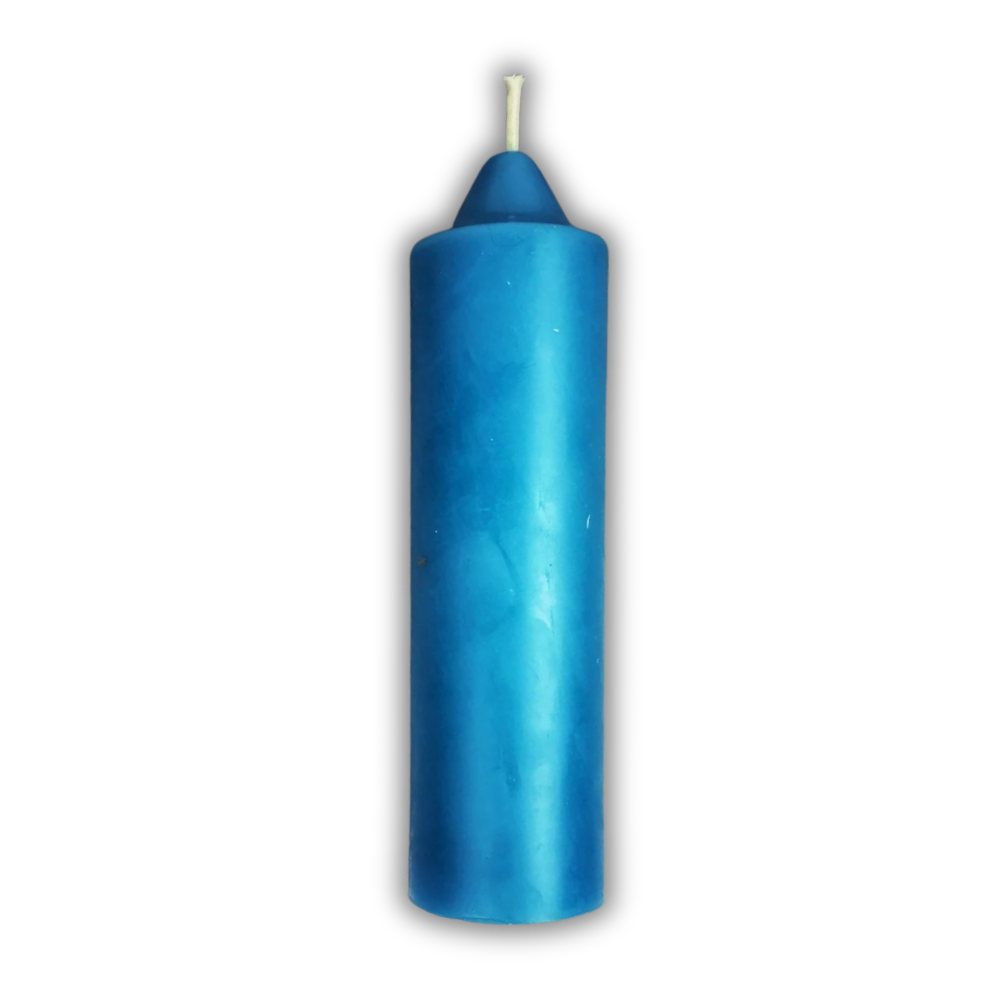
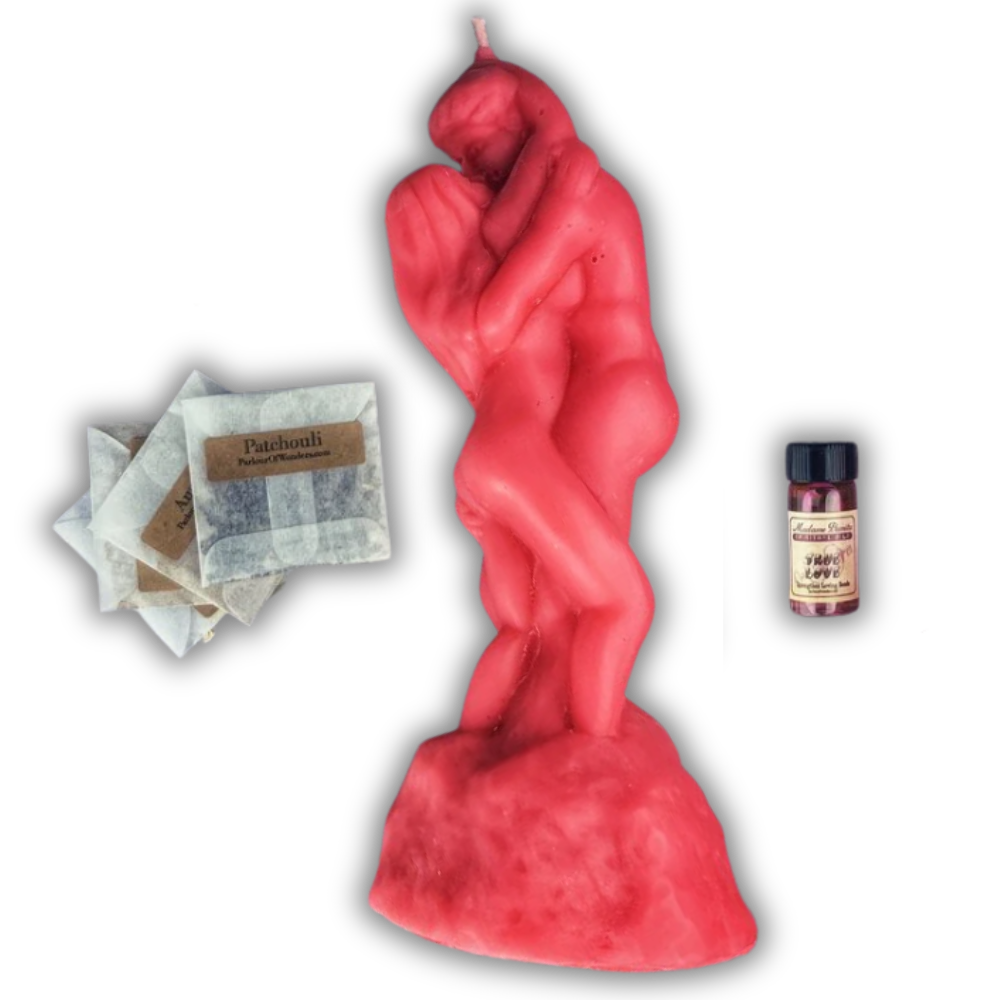
You may choose to mark this transition symbolically by cleaning your space, changing your routines, putting away old photographs, writing an unsent letter, taking a cleansing bath, lighting a candle for your own healing, or removing objects that keep you attached to a painful chapter.
The object or action is not what creates the entire transformation. Its purpose is to help your inner decision become visible in the physical world. It says: this mattered, I am allowed to grieve it, and I am also allowed to continue.
You Do Not Need Perfect Closure
Many people believe they will be able to move on once they understand exactly why something happened. Sometimes understanding does help. But sometimes another conversation only creates more questions.
You may never receive the apology, explanation, accountability, or recognition that would make the ending feel fair. That does not mean you are required to remain emotionally suspended.
Closure can be the moment you decide that the information you already have is enough to make a healthy choice. You may not know everything the other person thought or felt, but you can still evaluate how the relationship affected you and what continuing to wait is doing to your life.
When to Get a Reading
A tarot reading can be helpful when it creates clarity, reveals a pattern, or helps you understand the choice in front of you. It is less helpful when it becomes a way to repeatedly check on someone, postpone a decision, or avoid accepting what you already know.
A reading may be useful when:
- You cannot tell whether you are responding to intuition, fear, or attachment
- You want to understand what the relationship taught you
- You need help identifying what is keeping you emotionally connected
- You are deciding whether to communicate, wait, establish a boundary, or let go
- You want guidance centered on your choices rather than another person’s hidden thoughts
- You are ready to ask what comes next for you
The most empowering reading is not always the one that predicts whether someone will return. It may be the one that shows you what becomes possible when you stop organizing your life around that question.
Helpful Readings and Guidance
- Should I Move On? Reading — for understanding whether continuing to invest in the connection is supporting or delaying your growth.
- Is This Relationship Over? Reading — for clarity when a connection feels unresolved, inconsistent, or difficult to define.
- Why Did They Ghost Me? Reading — for exploring the pattern and deciding how to move forward after unexplained distance.
- What Do I Need to Know About This Connection? Reading — for a broader perspective on what the relationship is showing you.
- Sessions with The Love Witch — for a deeper conversation about healing, relationships, boundaries, and your next chapter.
Related Tarot Meanings
- Eight of Cups in a Love Reading — walking away from something that can no longer fulfill you.
- Six of Swords in a Love Reading — transition, emotional recovery, and moving toward calmer waters.
- The World in a Love Reading — completion, integration, and the closing of a major chapter.
- The Fool in a Love Reading — beginning again and becoming open to an unfamiliar future.
Final Thoughts
Moving on does not mean forgetting, becoming indifferent, or denying the love you felt. It means refusing to let one relationship remain the sole author of your future.
Some days, moving on looks like confidence and freedom. Other days, it looks like resisting the urge to send one more message, check one more page, or ask one more question. Both are forms of progress.
You are not betraying the past by choosing the present. You are not giving up on love by releasing a connection that cannot meet you where you are. You are gathering your energy, returning it to your own hands, and creating room for a life that can move again.
Moving on is not the absence of magic. Moving on is a magical act.